

When a client walks into a completed home renovation, the very first thing that catches their eye isn’t the drywall or the plumbing layout—it is the crisp, mirror-like reflection of pristine hardware. In my decade of hands-on interior design experience, I have always coached my clients to view these metal details as the fine jewelry of the home.
Unfortunately, water stains, chalky mineral deposits, and daily fingerprints can dull their factory luster incredibly fast, making an otherwise immaculate kitchen or bathroom appear completely neglected. The true problem isn’t a lack of cleaning; it is the buildup of hard water minerals that bind chemically to metallic finishes.
To solve this permanently, I use a repeatable, gentle maintenance system. Below, I break down 20 professional-grade techniques to restore and maintain your faucets & handles so they look continuously brand new.
| Cleaning Agent | Best Finish Match | Target Problem | Surface Safety |
| White Vinegar | Chrome, Stainless Steel | Heavy limescale, calcium crust | High (Avoid on unlacquered brass) |
| Baking Soda Paste | Matte Black, Brushed Nickel | Deep grime, oily finger marks | Mildly abrasive (Use soft cloths only) |
| Natural Lemon Juice | Polished Brass, Copper | Surface tarnish, dull oxidation | High (Rinse thoroughly) |
| Olive / Baby Oil | Stainless Steel, Chrome | Streak-free protection, water spots | High (Apply sparingly) |
Tools & Materials You Need
Before diving into your restoration routine, having the proper, non-damaging tools ready ensures you never scratch expensive electroplated coatings:
Microfiber Cloths: Ultra-high density ($300\text{GSM}$ minimum) to lift oils without abrasive friction.
Scrubbing Brushes: Extra-soft nylon detail brushes or recycled feather-soft toothbrushes.
Acid Dilution Standard: Standard 5% acidity distilled white vinegar (never use industrial cleaning acids).
Wrapping Textiles: Unbleached cotton cloths or high-absorbency paper towels for soaking zones.
Polishing Buffer: Dry chamois leather cloth for the final buffing stage.
Detailed Step-by-Step Guide: 20 Faucets & Handles Restoration Ideas
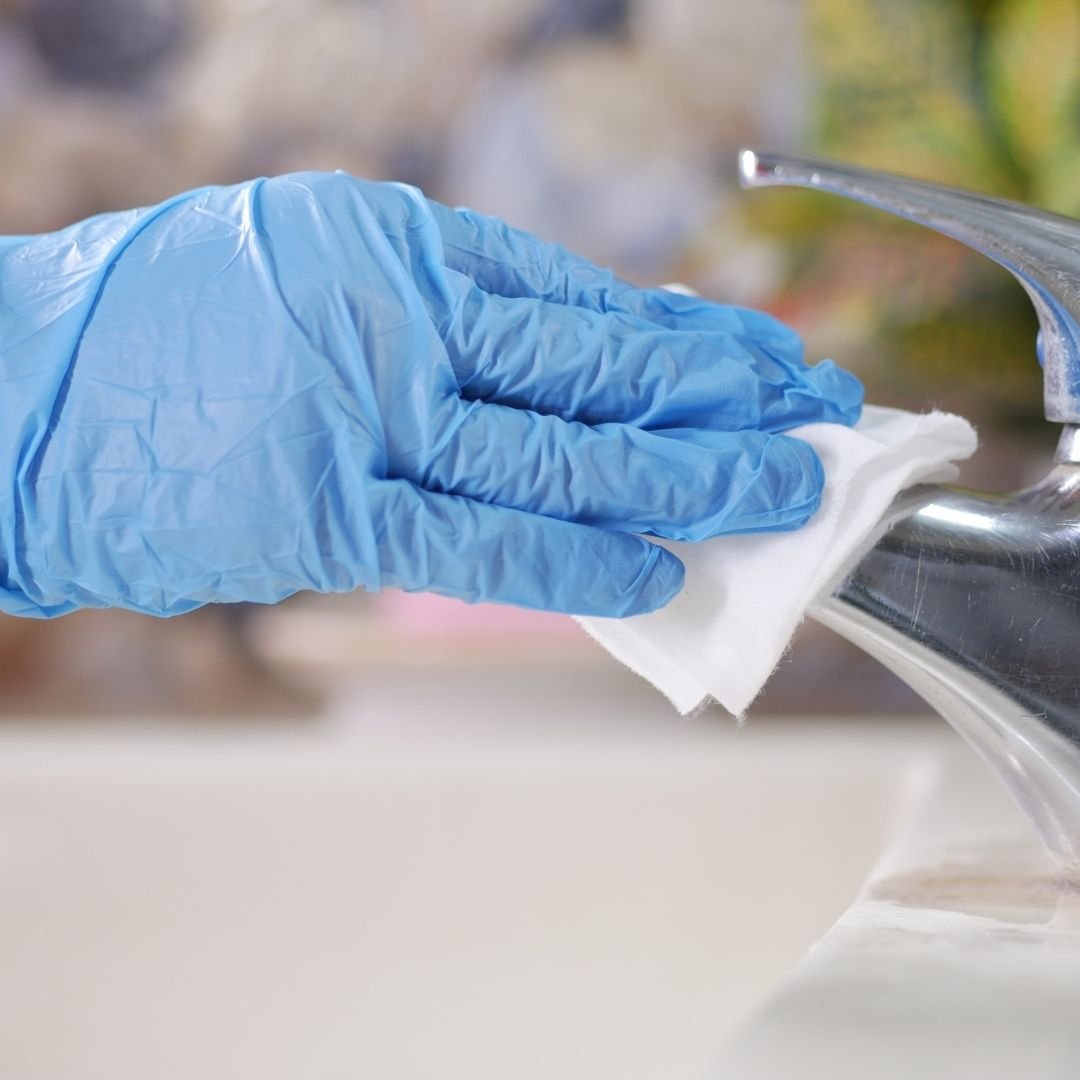
Natural Acid Descaling Treatments
1. Use Vinegar for Mineral Deposits
White vinegar is an incredible natural descaler for removing stubborn mineral deposits and calcium crusts. Saturate a cotton cloth entirely in vinegar and wrap it snugly around the base of the fixture for 10 to 15 minutes. Once the acid breaks down the bond, wipe the surface clean with a fresh cloth to reveal a bright, smooth finish.
2. Lemon Juice for Natural Shine
Fresh lemon juice contains citric acid, a natural cleaning compound that effortlessly cuts through grease and dull surface oxidation. Rub a cut lemon directly over your plumbing hardware, let the active juices sit for roughly 5 minutes, and rinse with warm water. This method cuts grime and leaves behind a beautiful, crisp scent.
3. Baking Soda Paste for Stubborn Stains
Mix three parts baking soda with one part water to form a smooth, non-runny paste for treating stubborn grease stains. Apply the paste directly to the metal joints, gently work it into the seams with a soft-bristled brush, and rinse thoroughly. Baking soda acts as a mild cleanser while actively neutralizing lingering bathroom odors.
4. Olive Oil for Polishing
After completing your deep clean, buff the metal surfaces with a tiny drop of olive oil applied to a dry cloth. This step fills microscopic imperfections on the metal’s surface, enhancing the reflective shine while creating a hydrophobic barrier that repels future water spots.
5. Toothpaste for Extra Luster
Standard, non-gel white toothpaste works surprisingly well to restore lost luster to metal. Apply a small dab to a damp cloth and rub the metal face in gentle, circular motions. The ultra-fine binders inside the toothpaste polish out minor micro-scratches, leaving a noticeable gleam.
Routine Maintenance and Everyday Upkeep
6. Microfiber Cloth for Regular Maintenance
Keep a dedicated microfiber cloth hanging inside your vanity cabinet for quick, daily wipe-downs. Unlike standard terry cloth towels, split microfiber loops pick up surface oils, water beads, and dust particles effectively without leaving behind micro-scratches.
7. Vinegar and Water Spray
For a quick weekly spray-clean, combine equal parts distilled water and white vinegar in a clean spray bottle. Spritz the solution generously over your fixtures, allow it to sit for 5 minutes to dissolve surface film, and wipe it dry. This is my go-to recipe for maintaining high-traffic guest bathrooms.
8. Mild Dish Soap for Everyday Cleaning
Mix a few drops of pH-neutral mild dish soap with warm water for a gentle daily washing routine. Dip your cloth into the soapy water, cleanse the handles thoroughly, and dry the metal completely. This simple step cuts through hand lotions and styling products cleanly.
9. Rubbing Alcohol for Fingerprints
Oily smudges and stubborn fingerprints on modern metals can be erased instantly using standard rubbing alcohol. Apply a small amount to a clean cotton pad and glide it across the handles for a completely streak-free finish. This technique works exceptionally well on brushed stainless steel.
10. Baby Oil for Stainless Steel
For large stainless steel kitchen fixtures, baby oil can be applied sparingly to a dry cloth and rubbed in the direction of the metal grain. It provides a striking, mirror-like finish while creating a protective seal that stops water spots from sticking.
Deep Cleaning Hard-to-Reach Areas
11. White Vinegar Soak for Removable Handles
If your vanity handles or shower knobs are easily removable, detach them and submerge them entirely in a bowl of warm white vinegar for 20 to 30 minutes. This deep-soaking method liquefies hidden grime inside the internal threads, restoring the original sparkle effortlessly.
12. Use a Soft Brush for Crevices
Gunk and lime deposits love to accumulate in the small crevice where the handle meets the vanity deck. Use a super-soft detail brush to scrub these specific entry points gently, ensuring every hidden pocket is cleaned cleanly without marring the chrome plating.
13. Polish with Aluminum Foil
Crumple a small piece of standard household aluminum foil into a loose ball, dip it in water, and rub it very gently over chrome fixtures. The aluminum reacts chemically with light rust spots, pulling them off the chrome layer safely and leaving a smooth, highly polished result.
14. Prevent Water Spots with Drying
The easiest way to fight hard water spots is to prevent them from drying on the metal in the first place. After using your sink, make it a habit to wipe the spout dry with a soft cloth. Preventing water from sitting avoids mineral buildup completely, keeping handles gleaming longer.
15. Commercial Metal Polish for Extra Shine
For severe tarnish on older fixtures, apply a premium, specialized commercial metal polish according to the product guidelines. High-quality polishes remove stubborn oxidized layers, restore original depth, and leave a molecular protective sealant for a long-lasting shine.
Preservation and Long-Term Protection
16. Hydrogen Peroxide for Stubborn Stains
Hydrogen peroxide works beautifully for breaking down dark mildew stains or light rust pooling around the base of a sink. Apply a small amount to a clean cotton pad, press it firmly onto the affected area for a few minutes, and rinse thoroughly with clear water.
17. Regular Maintenance Routine
Set a predictable weekly routine using mild soap solutions or your vinegar spray blend. Consistency is the true secret here; keeping up with regular care prevents heavy mineral scaling from calcifying, making deep cleaning sessions completely effortless.
18. Avoid Abrasive Cleaners
Never use harsh, abrasive scouring powders, bleach, or stiff steel wool pads on your plumbing hardware. These aggressive materials tear through thin protective electroplated topcoats, permanently scratching the metal and leaving it vulnerable to deep corrosion.
19. Warm Water Soak for Hard-to-Reach Areas
For stubborn, dried-on soap scum caked around the aerator or handle bases, soak a small towel in hot water and wrap it tightly around the zone for 10 minutes. The trapped steam loosens the hardened binders, making it simple to wipe away cleanly.
20. Keep a Daily Wipe-Down Habit
A quick, five-second wipe down at the end of the evening stops hard water scale, soap residue, and toothpaste splatters from setting overnight. This tiny lifestyle habit keeps your faucets & handles looking sharp, clear, and perfectly staged every single morning.
Optical Tricks & Pro Styling Hacks
In luxury interior styling, how your metal hardware interacts with the surrounding surfaces dictates the perceived cleanliness of the entire room:
The Lighting Alignment Trick: Ensure your vanity task lighting uses a clean $3000\text{K}$ to $3500\text{K}$ temperature bulb. Lighting that is too yellow makes clean metals look tarnished, while bulbs that are too blue can make polished silver finishes look cold and industrial.
The Aerator Clear-Out: A clean exterior looks incomplete if the water stream is spraying unevenly due to internal blockage. Unscrew the small aerator tip from your spout every six months and drop it into vinegar to clear the internal screens for a perfect, uniform water flow.
High-Gloss Counterbalance: If your plumbing hardware has a matte finish, keep the surrounding stone countertop perfectly sealed and buffed. The contrast between a polished stone surface and a crisp, matte fixture makes both elements look incredibly high-end.
Scientific Data & Material Physics
The interaction between tap water and home hardware involves clear chemical principles. According to environmental physics and water quality data:
The Chemistry of Limescale Formation: Tap water carries dissolved minerals, primarily calcium carbonate and magnesium. When water droplets sit on metal surfaces and evaporate, the pure liquid escapes into the air, leaving behind crystalline mineral structures commonly known as limescale. These alkaline crystals bond strongly to metals. Utilizing mild organic acids like acetic acid (found in vinegar) or citric acid (found in lemons) drops the surface pH instantly, dissolving the crystalline bonds safely without damaging the underlying metal plating.
By applying a thin, hydrophobic protective barrier—such as a micro-layer of baby oil or automotive wax—you alter the surface tension of the fixture, forcing water to bead up and roll off smoothly before scale can form.
Frequently Asked Questions (FAQ)
Why does white vinegar turn some faucets green?
Vinegar should not be left on copper or unlacquered brass for long periods. The acetic acid reacts with the copper alloy, creating copper acetate—a green crust often called verdigris. Always rinse thoroughly after treating these metals.
How do I remove hard water spots without scratching matte black finishes?
Matte black finishes use a sensitive powder coating. Avoid all abrasive brushes and baking soda powders. Stick exclusively to a highly diluted 50/50 water and white vinegar spray paired with a plush microfiber cloth.
Is it safe to use WD-40 to clean plumbing handles?
Yes, WD-40 can be used to break down stubborn water spots and protect outer surfaces from moisture. However, it leaves a distinct chemical scent and a slick residue, so it must be thoroughly wiped down afterward.
Final Thoughts
A brilliant, well-maintained home is built entirely on the quality of its smallest details. Clean, sparkling faucets and handles instantly elevate the visual appeal of any kitchen or bathroom, signaling a deep level of care and design integrity throughout the house.
By implementing this balanced combination of gentle natural cleaners, smart drying habits, and routine maintenance, you can keep your fine hardware shining beautifully without relying on aggressive commercial chemicals.
Trust the simplicity of vinegar, lemons, and microfiber cloths, build a quick daily wiping habit, and enjoy a spotless, welcoming retreat for years to come.
