

Your kitchen cabinets face a lot every day—grease, dust, fingerprints, and cooking splatters. Over time, this buildup can make even the most beautiful cabinets look dull and sticky.
Learning how to clean and wipe cabinets properly keeps them looking new and extends their lifespan. Here’s your complete guide with smart cleaning tips every homeowner should know.
1. Start by Removing Everything from the Cabinets
Before you start cabinet wiping, empty all items like spices, dishes, and containers. This helps you reach every corner and ensures that no dirt or crumbs are left behind. Always work section by section so your kitchen doesn’t get too messy. Wipe Cabinets
2. Dust Before You Wipe
Use a soft microfiber cloth or duster to remove loose dust and debris from cabinet doors, shelves, and corners. This step prevents scratching the surface when you start wet wiping. A quick dusting can make the wiping process smoother and faster. Wipe Cabinets
3. Use a Gentle Cleaning Solution
Mix warm water and a few drops of mild dish soap in a bowl. This gentle solution works well for most surfaces without stripping the cabinet’s finish. Avoid harsh chemicals or bleach—they can damage the wood or paint.
4. Wipe from Top to Bottom
Always start wiping from the top of your cabinet and move downward. This way, drips and dust fall on the areas you haven’t cleaned yet. It also prevents streaks and ensures an even, polished finish on every panel.
5. Don’t Forget the Handles and Knobs
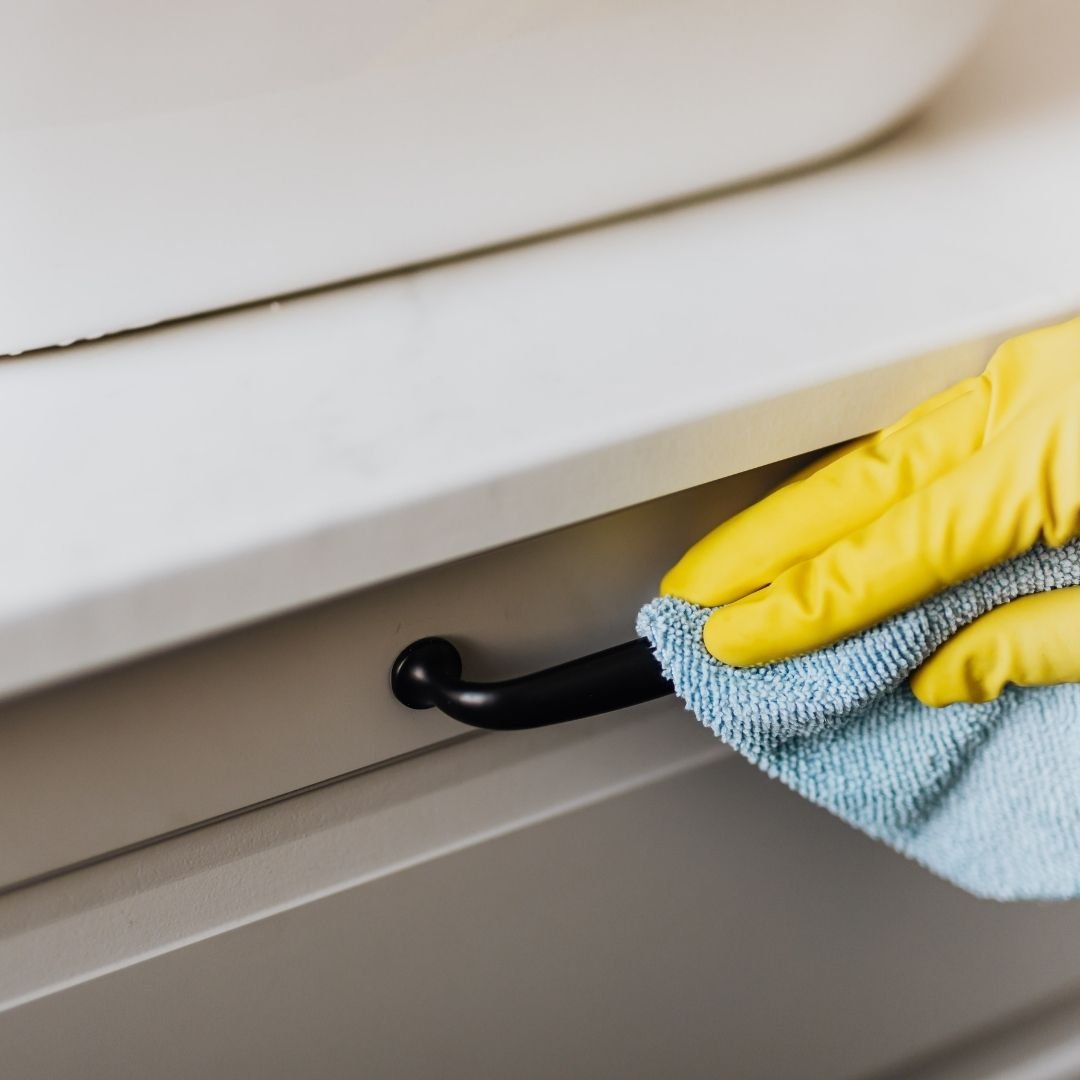
Handles and knobs collect the most grease and fingerprints. Use a small cleaning brush or an old toothbrush dipped in the cleaning solution to scrub around the hardware. Wipe clean with a dry cloth to make them shine again. Wipe Cabinets
6. Pay Attention to Cabinet Edges and Corners
The edges and corners often hold hidden grime. Dip a cotton swab or soft brush in your cleaning mix and gently scrub those hard-to-reach spots. This detail makes your cabinet cleaning routine more effective and thorough. Wipe Cabinets
7. Dry Immediately After Cleaning
Never let water sit on your cabinet surfaces—it can cause warping or fading over time. After wiping, use a dry microfiber towel to remove any remaining moisture. This step helps preserve the cabinet’s color and texture.
8. Use Vinegar for Tough Grease Spots
If you find stubborn grease or sticky buildup, use a vinegar and water mixture (1:1). Apply it with a soft cloth, gently scrub, and rinse with clean water. Vinegar cuts through grease naturally and leaves your cabinets smelling fresh. Wipe Cabinets
9. Polish for Extra Shine
Once your cabinets are clean and dry, you can use a natural wood polish or olive oil to give them a fresh glow. This step not only enhances the cabinet’s appearance but also protects the surface from dust and grime.
10. Maintain a Weekly Wiping Routine
The key to spotless cabinets is consistency. Wipe down doors and handles once a week with a damp cloth and mild cleaner. This habit prevents buildup, keeps your kitchen hygienic, and makes deep cleaning easier later. Wipe Cabinets
Bonus Tip: Use Lining Paper for Easier Maintenance
Add drawer or shelf liners to your cabinets to catch spills and crumbs. They’re easy to remove and clean, saving you from frequent deep wipes. It’s a smart DIY home improvement hack that keeps your cabinets fresh all year round.
Final Thoughts
Learning how to properly wipe cabinets can completely change the look of your kitchen. From using gentle cleaners to paying attention to small details, each step ensures your cabinets stay clean, shiny, and long-lasting.
A regular cleaning habit not only enhances your kitchen’s beauty but also adds value to your home. Keep these cabinet cleaning tips handy, and your kitchen will always look spotless and inviting!