

A greasy stovetop can make even the cleanest kitchen look messy. Over time, oil splatters, food residue, and burnt stains build up, making it hard to restore shine.
But with the right stovetop degreasing methods, you can bring back that spotless look — without using harsh chemicals. Here are 10 smart DIY stovetop degreasing tips to make cleaning simple and effective.
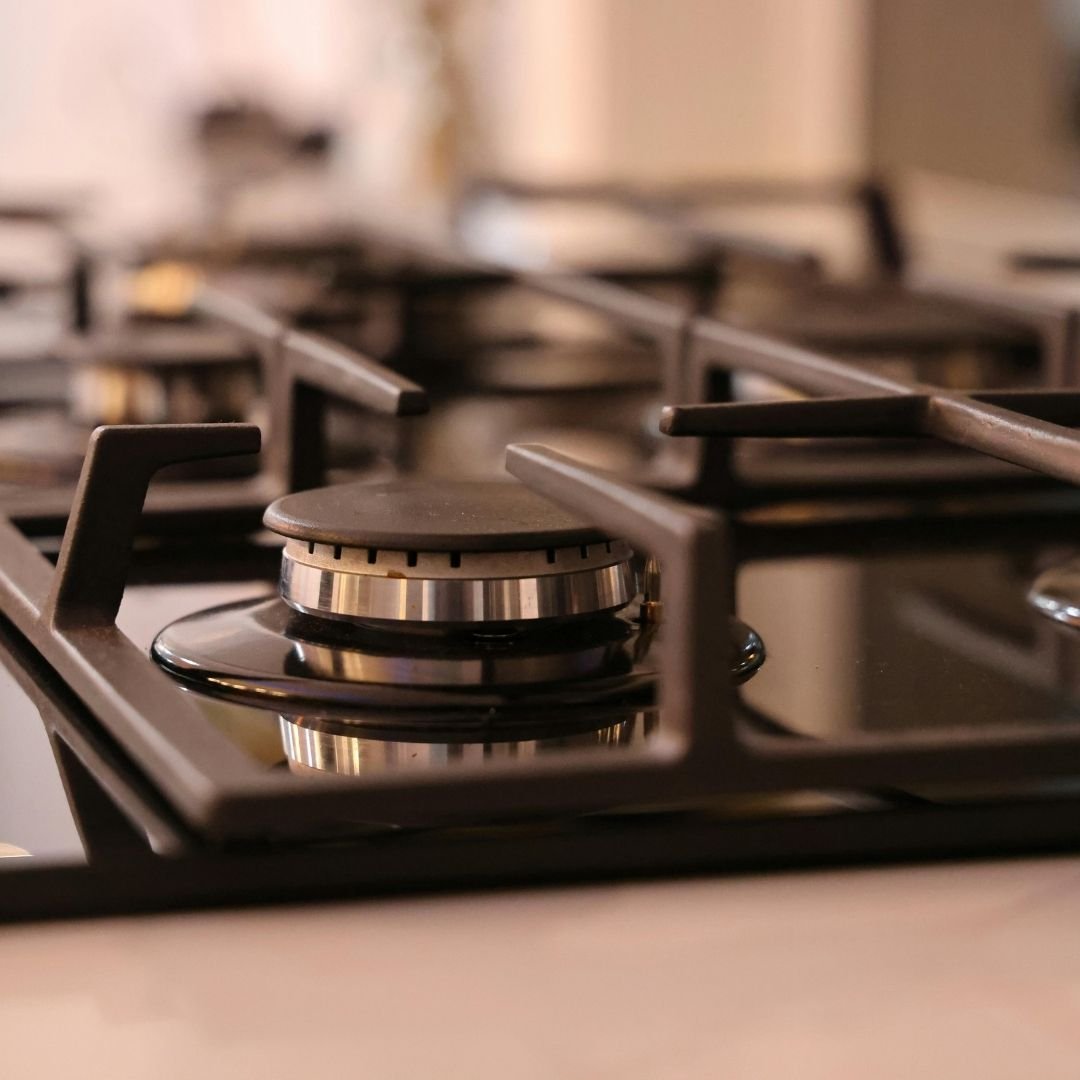
1. Start with Warm Soapy Water
Begin your stovetop cleaning by using warm water and a few drops of dish soap. It breaks down light grease and loosens grime easily. Use a soft sponge or microfiber cloth to wipe off residues without scratching the surface. This is the perfect first step before tackling heavy grease.
2. Use Baking Soda Paste for Deep Grease
For stubborn grease, make a thick baking soda paste by mixing it with water. Spread it over greasy areas, let it sit for 15–20 minutes, and scrub gently with a non-abrasive sponge. The natural scrubbing power of baking soda lifts old stains without damaging your stovetop finish.
3. Try Vinegar and Water Spray
A vinegar-water solution (equal parts) works as a natural degreaser and disinfectant. Spray it directly on the greasy surface and let it sit for 5 minutes before wiping clean. Vinegar’s acidity cuts through oil buildup and leaves your stovetop shiny and odor-free.
4. Degrease Burner Grates Separately
Remove burner grates and soak them in warm, soapy water for 15 minutes. Scrub using a soft brush to remove burnt oil and food particles. Cleaning these separately helps prevent sticky buildup that can make cooking inefficient and unhygienic.
5. Use Lemon Juice for Natural Shine
Lemon juice acts as a mild acid that dissolves grease effectively. Mix it with a little baking soda for a powerful cleaning combo. Apply the mixture, wait 10 minutes, then wipe clean. Your stovetop will sparkle and smell refreshingly citrusy.
6. Steam Away the Grease
Fill a small pot with water and let it steam on the stovetop for 5 minutes. The steam loosens hardened grease and makes wiping much easier. After steaming, use a damp cloth with mild detergent to clean off any remaining residue.
7. Use Rubbing Alcohol for Fast Degreasing
Rubbing alcohol is great for cutting through fresh grease stains. Apply a few drops to a soft cloth and wipe the greasy area gently. It evaporates quickly and leaves no streaks, making it ideal for glass or stainless steel stovetops.
8. Apply a Degreasing Spray for Heavy Build-Up
When natural methods aren’t enough, use a kitchen-safe degreasing spray. Spray it evenly, wait a few minutes, and wipe clean with a microfiber towel. Always check the label to ensure it’s safe for your stovetop surface, especially glass or enamel finishes.
9. Clean Between Knobs and Corners
Grease often hides around stovetop knobs and corners. Remove knobs carefully and clean underneath using a cotton swab dipped in vinegar solution. These hidden spots are often missed but can harbor grime that spreads quickly.
10. Prevent Future Grease Build-Up
After every cooking session, wipe down your stovetop surface with a damp cloth. Use a little dish soap for daily maintenance. Keeping up with small cleanups prevents heavy grease buildup and makes deep cleaning less frequent and much easier.
Bonus Tips for an Effortless Stovetop Degreasing Routine
Always let the stovetop cool down completely before cleaning.
Use a soft sponge or microfiber cloth to avoid scratches.
For glass-top stoves, avoid abrasive cleaners — stick to mild solutions.
Clean spills immediately after cooking to prevent oil hardening.
Finish with a microfiber polish for a streak-free shine.
Final Thoughts
A clean stovetop isn’t just about looks — it’s about maintaining hygiene and efficiency in your kitchen.
With these DIY stovetop degreasing tips, you can keep your cooking space sparkling clean without spending hours scrubbing.
The key is consistency — a quick daily wipe and a weekly deep clean will ensure your stovetop always shines like new.