

Shoji White by Sherwin-Williams (SW 7042) is a soft warm white that sits perfectly between beige and gray. It’s not a stark white and not a heavy greige.
This balance makes it one of the most flexible paint colors for American homes. Below are 20 unique ways to use this shade without repeating ideas, each explained in simple, practical terms.
1.Shoji White In Living Rooms With Natural Light
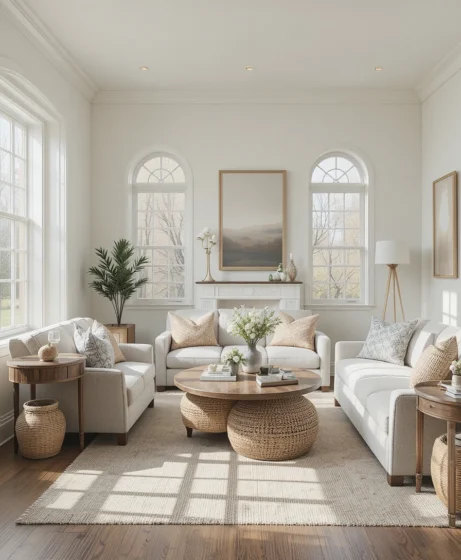
Shoji White reflects daylight in a gentle way that keeps living rooms bright without glare. It creates a cozy glow instead of a cold white effect. This works beautifully with wood floors, linen sofas, and woven textures.
2.Shoji White On Interior Walls For Open Floor Plans
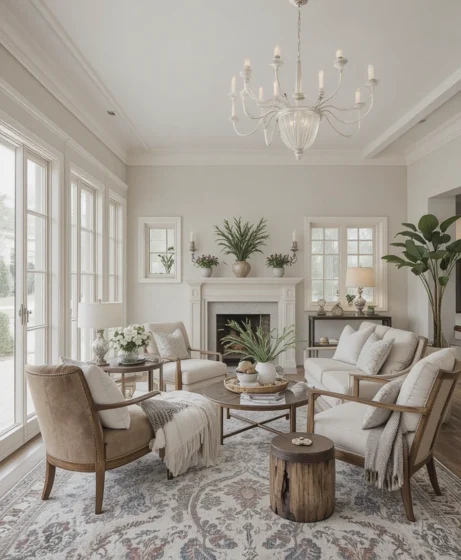
Using Shoji White across connected spaces creates flow and visual continuity. The color transitions smoothly from room to room without feeling flat. It’s ideal for modern layouts where walls are visible from multiple angles.
3.Shoji White For Kitchen Walls With White Cabinets
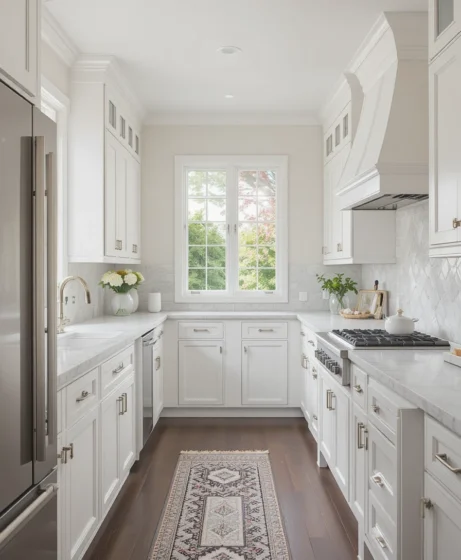
Pairing Shoji White walls with white cabinets avoids the “too white” problem. The warmth adds contrast while keeping the kitchen light and airy. It works especially well with marble or quartz countertops.
4.Shoji White In Bedrooms For A Calm Atmosphere
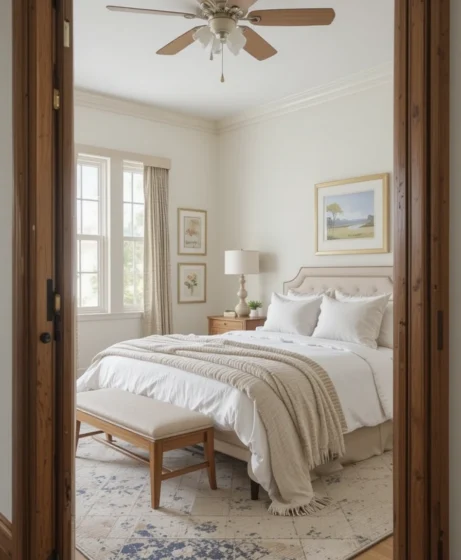
In bedrooms, Shoji White feels restful and soft under both natural and artificial light. It pairs nicely with neutral bedding and wooden furniture. The shade encourages a peaceful, uncluttered look.
5.Shoji White For Hallways That Feel Wider
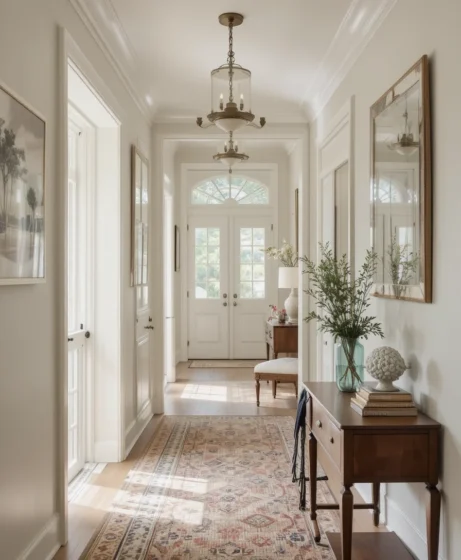
Narrow hallways benefit from Shoji White because it reflects light without harsh brightness. The subtle warmth prevents the space from feeling sterile. This makes passage areas feel more welcoming.
6.Shoji White On Trim With Greige Walls
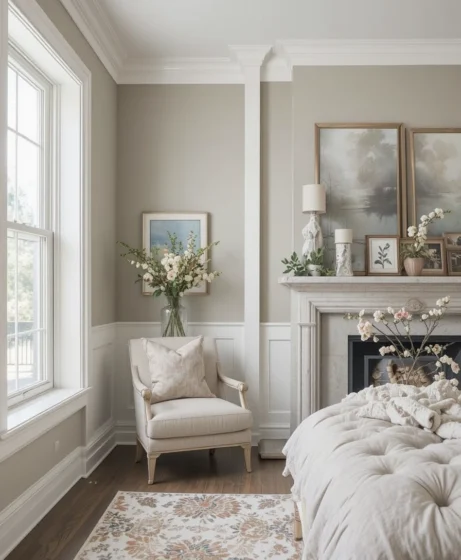
Using Shoji White on trim against greige walls gives gentle contrast. The trim stands out without looking sharp or overly bright. This combination feels modern and balanced.
7.Shoji White For Bathroom Walls With Stone Tiles
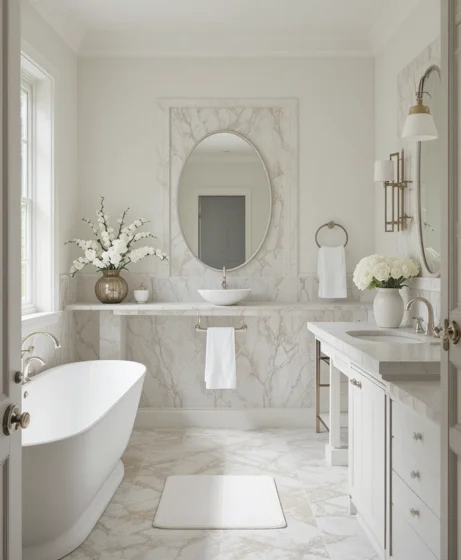
Bathrooms with stone or marble tiles look elegant with Shoji White. The warmth complements natural textures and chrome fixtures. It keeps the space feeling clean but not clinical.
8.Shoji White On Ceilings To Soften The Room
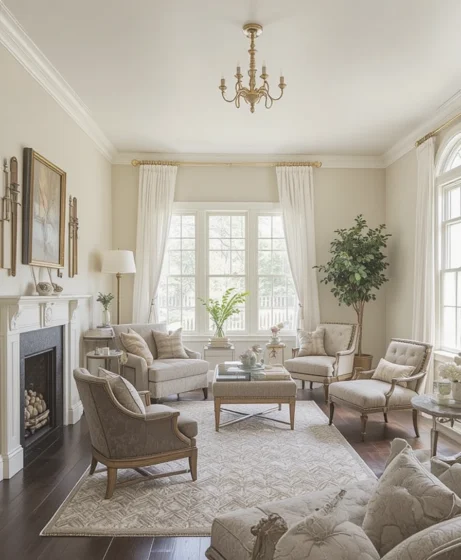
Painting ceilings in Shoji White instead of pure white reduces harsh reflections. It creates a cohesive look with the walls. This trick is helpful in rooms with lots of lighting.
9.Shoji White For Entryways That Feel Inviting
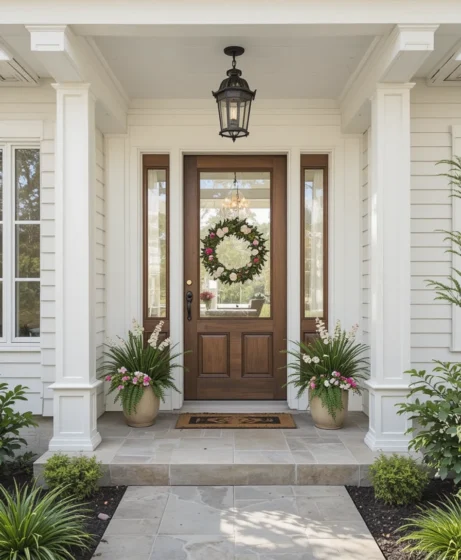
Entryways painted in Shoji White set a welcoming tone immediately. The color feels warm and friendly under porch light and indoor lighting. It pairs well with wooden doors and black hardware.
10.Shoji White With Dark Wood Furniture
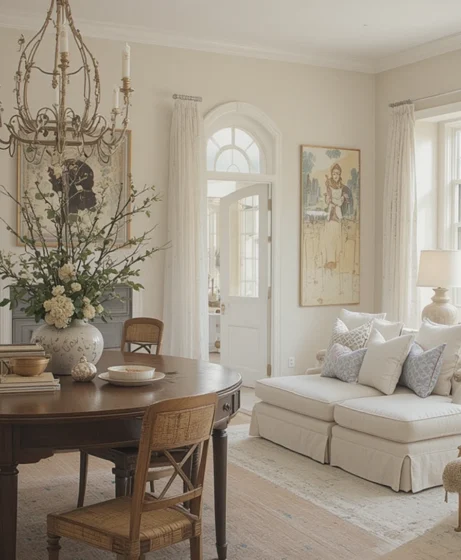
Dark walnut or espresso furniture stands out beautifully against Shoji White. The contrast feels rich without overpowering the room. This pairing is common in transitional homes.
11.Shoji White In Dining Rooms With Warm Lighting
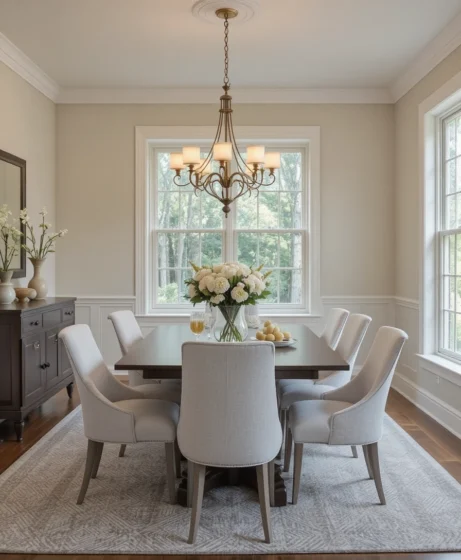
Under pendant or chandelier lighting, Shoji White glows warmly. It enhances the dining experience by creating a cozy ambiance. The walls feel soft rather than bright.
12.Shoji White For Home Offices With Minimal Decor
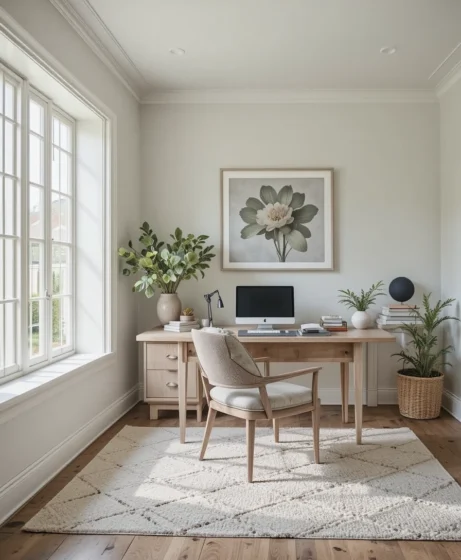
Home offices benefit from Shoji White because it reduces visual noise. The calm background helps maintain focus. It also looks professional on video calls.
13.Shoji White In Farmhouse Style Homes
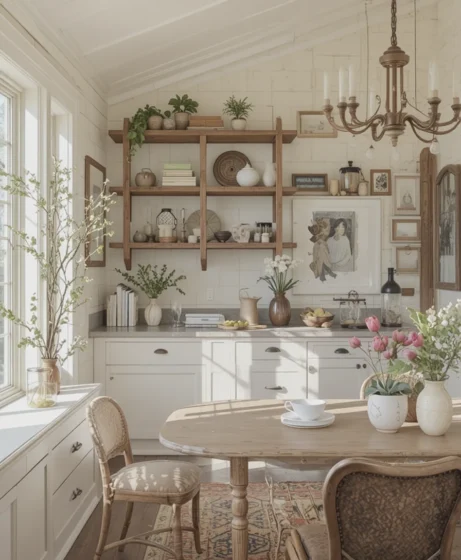
Farmhouse interiors love Shoji White because it complements shiplap, rustic woods, and vintage decor. The color enhances textures without stealing attention.
14.Shoji White For Modern Minimalist Interiors
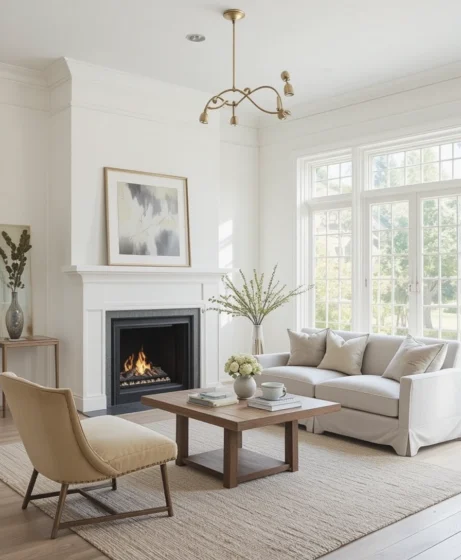
Minimal homes rely on subtle shades, and Shoji White fits perfectly. It keeps spaces feeling open while adding warmth. The tone works with simple furniture and clean lines.
15.Shoji White With Black Window Frames
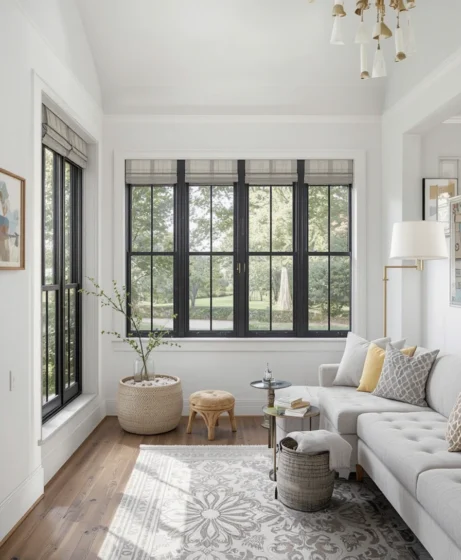
Black frames pop gently against Shoji White without looking too bold. The pairing feels stylish and contemporary. This look is popular in new builds.
16.Shoji White In Kids Rooms That Grow With Age
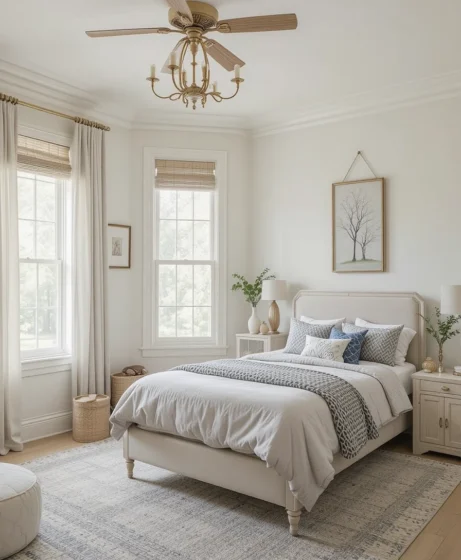
Unlike themed colors, Shoji White grows with the child. It allows decor changes over time without repainting. The room stays bright and flexible.
17.Shoji White For Staircases And Railings Background
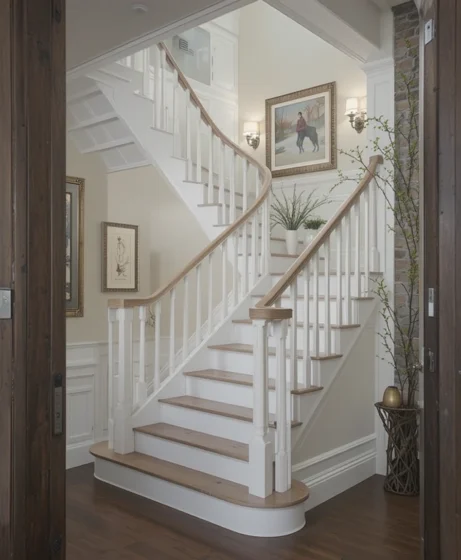
Stair walls painted in Shoji White make the vertical space feel open. It also highlights railings and artwork placed along the staircase.
18.Shoji White In Basements To Increase Brightness
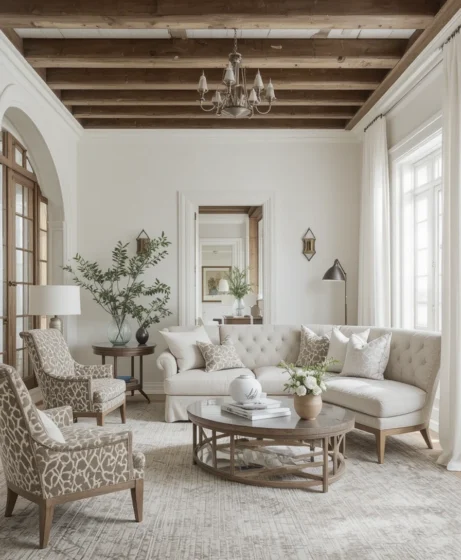
Basements often lack natural light, and Shoji White helps bounce available light around. It prevents the space from feeling heavy or dark.
19.Shoji White For Exterior Brick Pairings
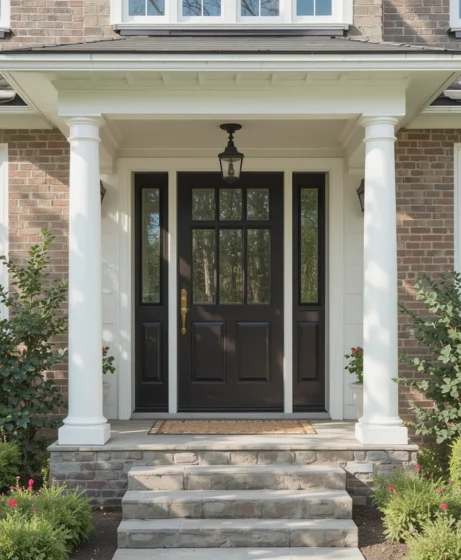
When used near exterior brick tones, Shoji White offers a soft contrast. It brightens the façade without clashing with natural materials.
20.Shoji White As A Whole House Paint Color
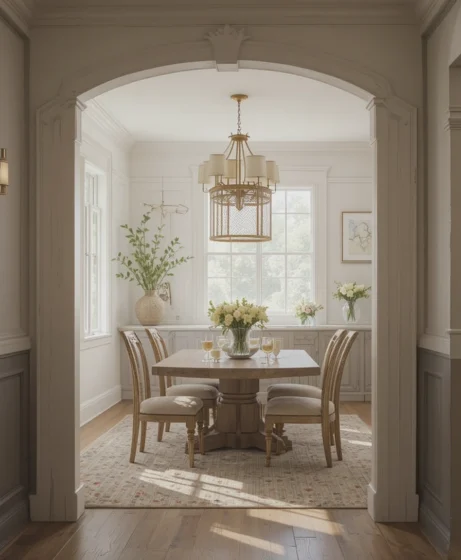
Many homeowners choose Shoji White for the entire house because of its adaptability. It works with various floors, cabinets, and lighting conditions without needing constant adjustments.
Final thoughts
Shoji White by Sherwin-Williams is a reliable warm white that fits nearly every design style. Its balanced undertone, flexibility with materials, and soft brightness make it a favorite for both interiors and exteriors across American homes.