

Keeping your floors spotless isn’t just about appearance — it’s about maintaining a clean, healthy, and comfortable home.
Learning how to mop floors properly can make a huge difference in how fresh your space looks and feels.
These expert mopping tips will help you achieve shining floors with less effort and more efficiency.
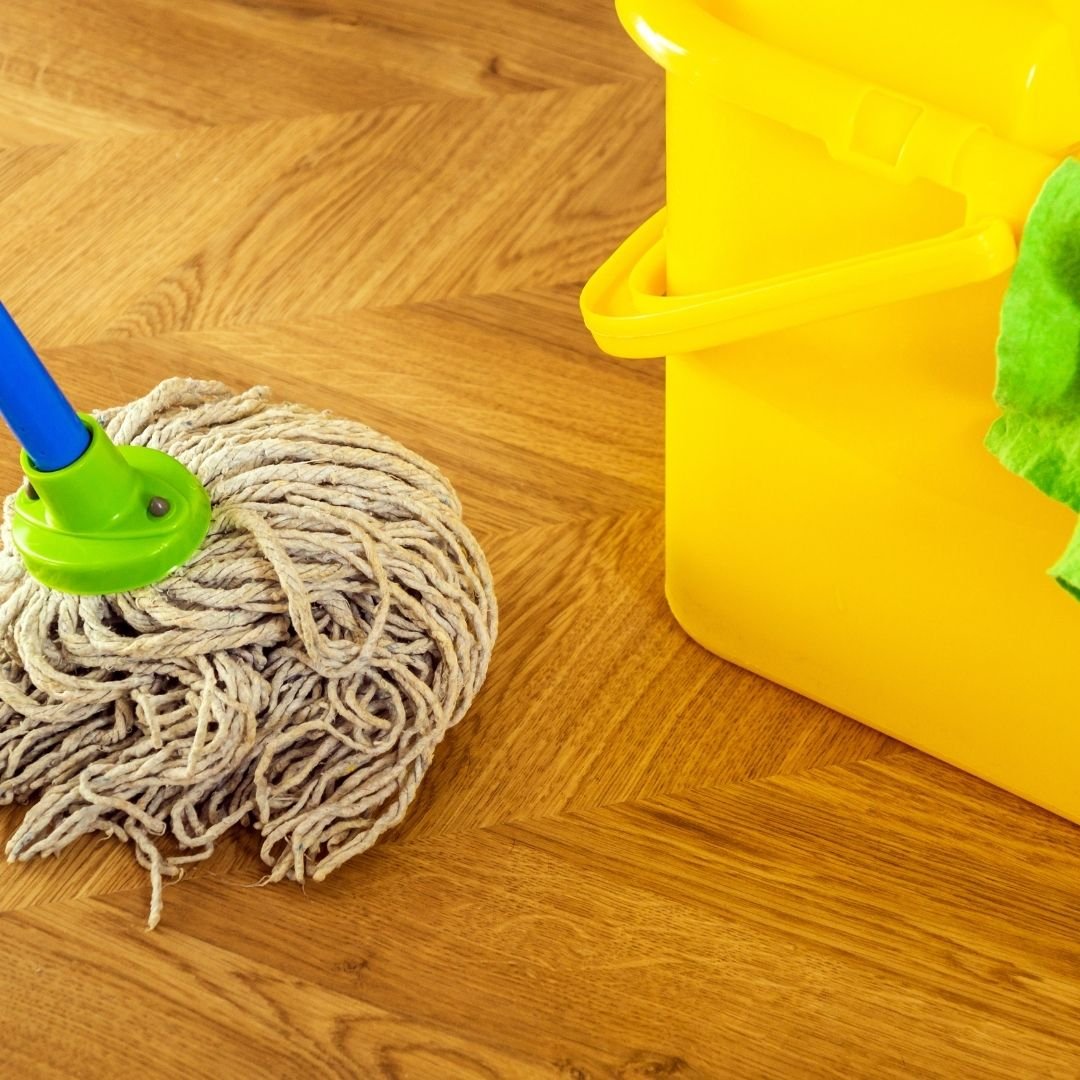
1. Choose the Right Mop for Your Floor Type
Before you start, pick the right mop for your flooring. A flat mop works best for hardwood or vinyl, while a string or sponge mop is ideal for tile and textured surfaces. Choosing the correct mop helps you clean effectively without damaging the floor finish. Floor Mopping
2. Use Two Buckets for Better Cleaning
One of the most effective floor mopping hacks is using two buckets — one with clean water and one for rinsing dirty water. This prevents you from spreading grime across the floor and keeps your mop water cleaner for longer.
3. Sweep or Vacuum First
Never mop a dirty floor directly. Always sweep or vacuum first to remove dust, crumbs, and pet hair. This step makes mopping easier and prevents scratches or streaks caused by debris.
4. Mix the Right Cleaning Solution
Use a gentle floor cleaner that matches your flooring type — wood, tile, laminate, or vinyl. Avoid harsh chemicals that can strip the floor’s shine. For a DIY mopping solution, mix warm water with a few drops of dish soap or vinegar for natural cleaning power. Floor Mopping
5. Start Mopping from the Farthest Corner
Begin from the farthest corner of the room and move backward toward the exit. This ensures you don’t step on freshly mopped floors and avoids leaving footprints or smudges.
6. Wring Out Excess Water
A damp mop cleans better than a soaking wet one. Wring out the mop properly before applying it to the floor. Too much water can cause streaks, warping, or damage — especially on wood and laminate floors.
7. Mop in an “S” or Figure-8 Motion
Avoid random swiping. Instead, use an S-shaped or figure-8 motion for smooth and even coverage. This technique collects dirt efficiently and prevents missed spots. It also helps in covering large areas quickly. Floor Mopping
8. Change Water Frequently
If the water starts looking murky, change it immediately. Using dirty water for mopping spreads germs rather than cleaning them. Fresh water keeps your floors genuinely clean and prevents odor buildup.
9. Focus on High-Traffic Areas
Pay special attention to entryways, hallways, and kitchens. These are the zones that accumulate dirt, spills, and footprints the fastest. Mopping these areas regularly keeps your home more hygienic overall.
10. Don’t Forget Baseboards and Corners
While mopping, use a small brush or cloth to clean corners, edges, and baseboards where your mop might not reach. These hidden spots collect grime and dust that can make floors appear dull. Floor Mopping
11. Dry Floors Immediately After Mopping
Use a clean microfiber cloth or dry mop to remove excess moisture. Drying your floors helps prevent slip hazards and keeps them shiny for longer. It also reduces the risk of water damage on wooden surfaces.
12. Maintain a Regular Mopping Schedule
Set a consistent routine for floor cleaning based on your household traffic. For busy homes, mopping twice a week is ideal. Regular mopping prevents buildup and keeps your floors looking fresh without requiring deep scrubbing. Floor Mopping
Bonus Tip: Add a Pleasant Fragrance
For that fresh-clean-home feeling, add a few drops of essential oil like lavender, lemon, or eucalyptus to your mop water. It leaves behind a subtle fragrance and enhances the freshness of your entire space.
Final Thoughts
Mastering how to mop floors the right way is a simple yet powerful home improvement habit.
With these DIY mopping tips, you can keep your floors clean, shiny, and germ-free every day. Remember — the secret lies in using the right tools, proper techniques, and consistent care.
A few extra minutes of smart cleaning can make your home feel beautifully refreshed and more inviting.