

Over my ten years as an interior designer, I have learned one absolute truth: creating a stunning, soulful home has almost nothing to do with how much money you spend.
When clients invite me into their homes, they often assume they need a massive renovation budget to achieve that polished, magazine-worthy look.
I always smile, look around their space, and share my favorite professional secret. True luxury comes from thoughtful styling, clever layering, and knowing where to spend and where to save.
If you want to transform your living spaces without draining your savings account, mastering the art of budget-friendly home decor is your ultimate superpower. Let me walk you through my personal design playbook for elevating your home on a dime.
Quick Reference Comparison Table
| Decor Strategy | Estimated Cost | Impact Level | Best Used In |
| Oversized Thrifted Art | Low ($15 – $30) | High | Living Room Focal Walls |
| Layered Textures & Throws | Medium ($25 – $50) | High | Bedrooms & Sofas |
| Accent Wall Paint Treatment | Low ($30 – $60) | High | Entryways & Bedrooms |
| Statement Lighting Swaps | Medium ($40 – $90) | Transformative | Dining & Kitchen Areas |
Essential Materials and Tools Checklist
Before we dive into my favorite design secrets, let’s gather our baseline supplies to keep things seamless:
Painter’s tape and angled paint brushes for crisp lines.
Heavy-duty picture hanging strips and a reliable laser level.
Sandpaper (grit 120 and 220) for upcycling furniture.
Low-wattage warm LED bulbs (2700K) to instantly fix harsh lighting.
Neutral linen fabric scraps or drop cloths for DIY textiles.
My Step-by-Step Guide to Elevating Your Space on a Budget
1. Thrift Oversized Art and Reframe It
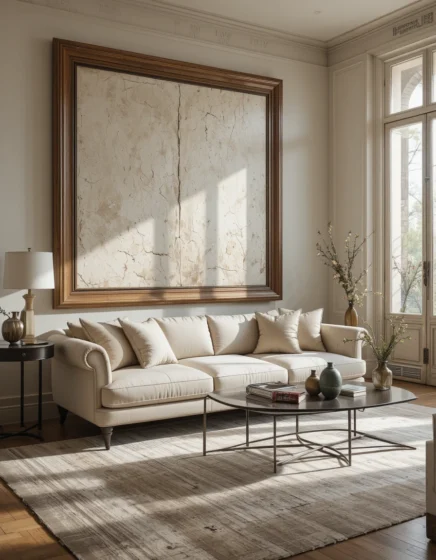
Whenever I want to make a room look instantly expensive, I head straight to local thrift stores or estate sales in search of large-scale canvas art, regardless of what is painted on it. I look strictly for heavy wood frames and generous dimensions. Back in my studio, I either paint over the canvas with a simple, textured plaster-and-paint mix to create modern minimalist art, or I stretch a piece of raw unbleached linen over the frame. By investing just a little time into a custom frame makeover, you end up with a high-end statement piece that looks like it cost hundreds of dollars.
2. Swap Out Basic Builder-Grade Lighting Fixtures
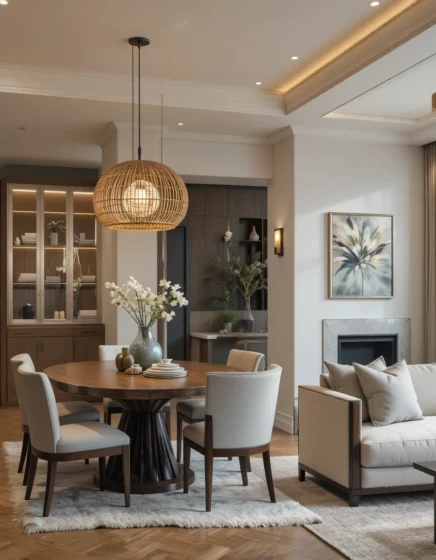
Standard flush-mount dome lights and basic brass vanity lights are the quickest way to make a home feel cheap and impersonal. In my own home projects, I routinely swap out builder-grade fixtures for sculptural rattan pendants, matte black wall sconces, or vintage-inspired brass fixtures. You do not always need an electrician for simple plug-in wall sconces or battery-operated puck light hacks inside thrifted lamp bases. Upgrading your light sources completely shifts the ambiance and tricks the eye into seeing luxury.
3. Layer Organic Textures to Create Depth
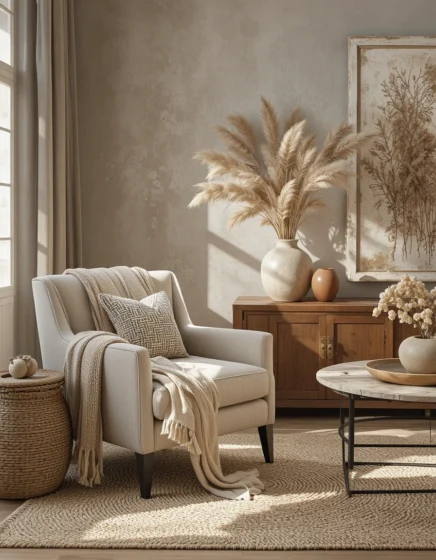
Flat, monochromatic rooms always feel uninspired and cold. In my design practice, I rely heavily on rich organic textures to build visual warmth without spending a fortune. I love tossing a heavy waffle-weave throw blanket over an armchair, layering a raw jute rug over a plain carpet to anchor a seating area, and styling raw ceramic vases filled with dried pampas grass. Mixing textures like wood, linen, ceramic, and iron introduces sophisticated dimension that instantly elevates ordinary spaces.
4. Create Custom-Looking Built-Ins Using Stock Bookcases
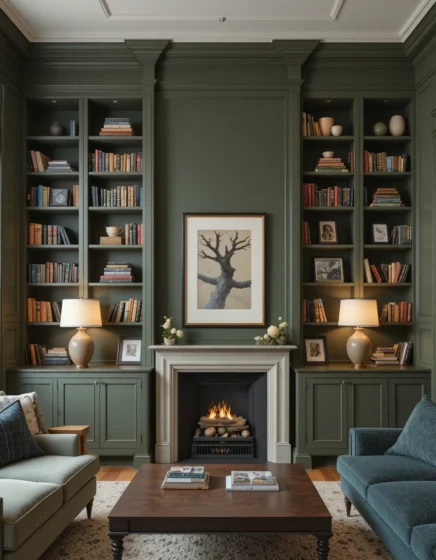
Built-in shelving units look breathtaking, but custom carpentry commands a massive price tag. To achieve this exact aesthetic on a strict budget, I buy affordable, plain stock laminate bookcases from big-box stores and anchor them securely to the wall. Then, I use simple MDF trim and crown molding to bridge any gaps between the shelves and the ceiling, painting the entire unit and the surrounding wall the exact same moody, saturated color. This seamless color-drenching trick instantly fools the eye into thinking you paid for custom millwork.
5. Hang Curtains High and Wide for Dramatic Scale
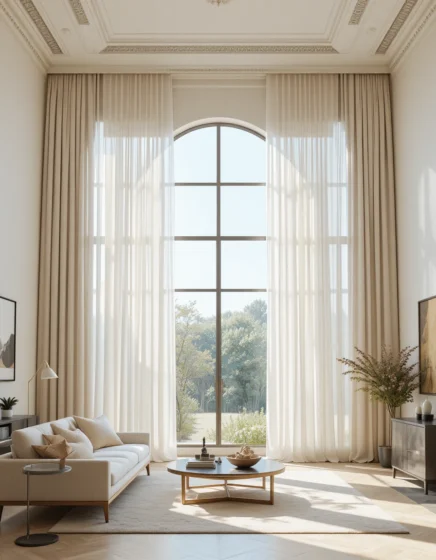
One of the most common mistakes I see in homes is hanging standard curtain rods right at the outer edge of the window frame, which chops up the wall and makes ceilings feel low. I always instruct my clients to mount their curtain rods at least four to six inches below the ceiling line and extend them outward on each side by a foot. When you use long, luxurious linen-blend panels that graze the floor, your windows instantly look twice their size, flooding the room with grand, architectural presence.
6. Introduce Deep, Mood-Enhancing Paint Colors
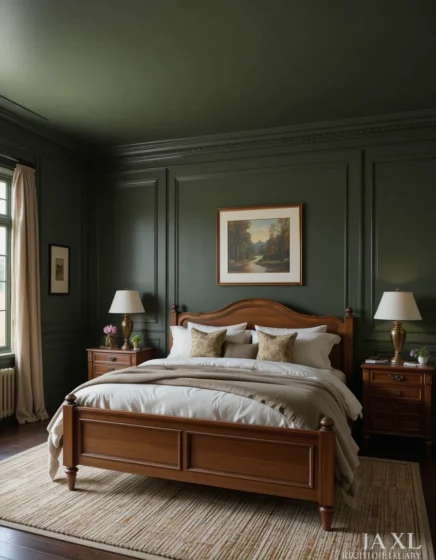
Paint is, and always will be, the highest-return investment in interior design. Instead of keeping every wall a safe, sterile builder white, I love painting a small powder room, a reading corner, or a bedroom in a rich, saturated earth tone like olive green, muddy taupe, or deep charcoal. Darker hues wrap a room in intimacy and elegance, masking awkward architectural quirks and hiding surface flaws while making budget furniture pop against the dramatic backdrop.
7. Upcycle Flea Market Furniture with Modern Hardware
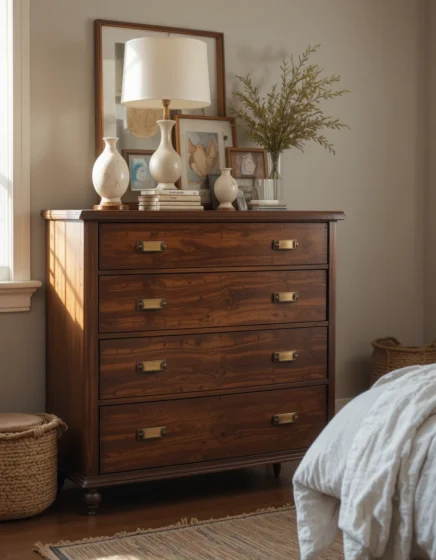
Discarded wooden nightstands, dressers, and side tables are goldmines if you look past worn-out factory finishes and dated brass knobs. Whenever I find a solid wood piece at a garage sale, I give it a thorough sanding and apply a rich dark wood stain or a matte limewash finish. The real magic happens when I swap out the hardware for unlacquered brass pulls or sleek leather tabs. Upgraded hardware acts like high-end jewelry for ordinary furniture pieces.
8. Style with Vintage Ceramic and Terracotta Pots
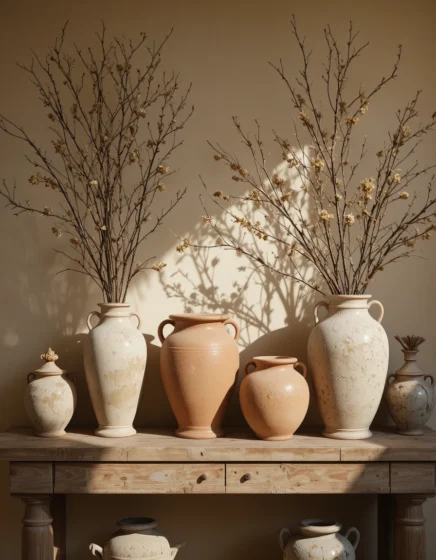
Mass-produced plastic planters and shiny ceramic pots from department stores often lack character and look generic. I prefer hunting for vintage terracotta pots, aged stone urns, and heavy stoneware crocks at flea markets or local garden centers. Even if a pot has minor chips or a weathered patina, that raw imperfection adds authentic history and soul to your shelves, bringing grounded, earthy sophistication to your tabletops.
9. Build a Cohesive Color Palette Using Textiles
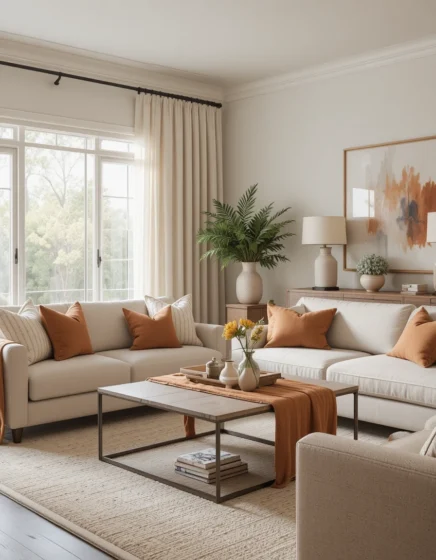
When rooms feel chaotic or cluttered, it is usually because too many competing colors and patterns are fighting for attention. I always establish a strict, harmonious color palette consisting of one dominant neutral, one secondary tone, and a single accent color carried subtly throughout the space. By repeating throw pillow covers, table runners, and artwork tones across the room, everything looks deliberately curated and professionally styled without buying new core furniture.
10. Embrace Intentional Negative Space
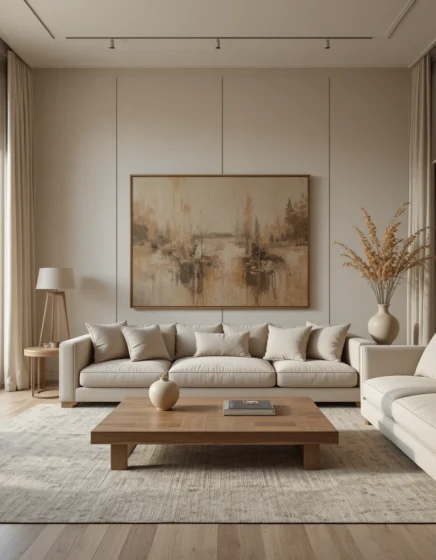
The biggest trap of budget decorating is trying to fill every single empty corner and blank wall because you feel like something has to go there. In my professional experience, restraint is the truest form of elegance. Leave a few walls completely blank, keep your coffee tables styled with just two or three meaningful items, and let your room breathe. Embracing negative space lets the eye rest and highlights the few gorgeous decor pieces you have chosen to display.
Optical Tricks and Pro Styling Hacks
The Mirror Expansion Trick: Hang an oversized arched mirror directly opposite your main light source to bounce daylight across dark corners and double your visual space instantly.
The Rule of Threes: When styling coffee tables or bookshelves, group decorative objects in odd numbers (preferable sets of three) with varying heights to create natural visual flow.
Scale Up Your Rugs: Never use a postage-stamp-sized rug under your furniture. Ensure at least the front legs of your seating rest comfortably on the rug to unify the room’s proportions.
Surprising Facts and Spatial Design Data
According to environmental psychology and spatial design studies, human nervous systems physically relax when exposed to tactile natural materials like unsealed wood, linen, and clay. Research shows that rooms featuring organic textures and warm lighting (around 2700K) lower cortisol levels faster than sterile, high-gloss environments. Furthermore, color science demonstrates that painting a small room in a deep, dark hue tricks human depth perception, making the physical boundaries of the walls recede and creating an expansive, cocoon-like atmosphere rather than a claustrophobic one.
Frequently Asked Questions
How can I make cheap home decor look expensive?
Focus on texture, scale, and hardware. Swapping out standard plastic cabinet pulls for solid brass handles, using heavy linen textiles instead of polyester, and hanging art in oversized custom frames instantly elevates budget items into high-end statements.
What is the best paint finish for budget-friendly accent walls?
A matte or ultra-matte finish is ideal because it absorbs light rather than reflecting it, hiding minor wall imperfections and giving a velvety, high-end architectural look to the space.
How do I stop a budget-styled room from looking cluttered?
Embrace intentional negative space and edit your accessories. Group smaller decor items into unified trays, remove excess plastic packaging from household goods, and ensure every single item in the room serves a clear aesthetic or functional purpose.
Final Thoughts
Creating a home that feels deeply personal, gorgeous, and deeply comforting has never required an unlimited checkbook.
By relying on clever thrifted finds, maximizing vertical scale, playing with moody paint tones, and honoring the power of negative space, you can completely redefine your living environment on your own terms. Take it one small corner at a time, trust your creative instincts, and enjoy the transformative power of intentional styling.
