

A clean and shiny sink instantly makes your kitchen or bathroom feel fresh and hygienic. But over time, sinks collect stains, water spots, soap scum, and even hidden bacteria.
Learning how to scrub your sink properly not only enhances its look but also keeps your home germ-free.
Here’s a complete, step-by-step guide filled with practical sink scrubbing tips that make cleaning effortless and effective.
1. Start with a Clear Sink
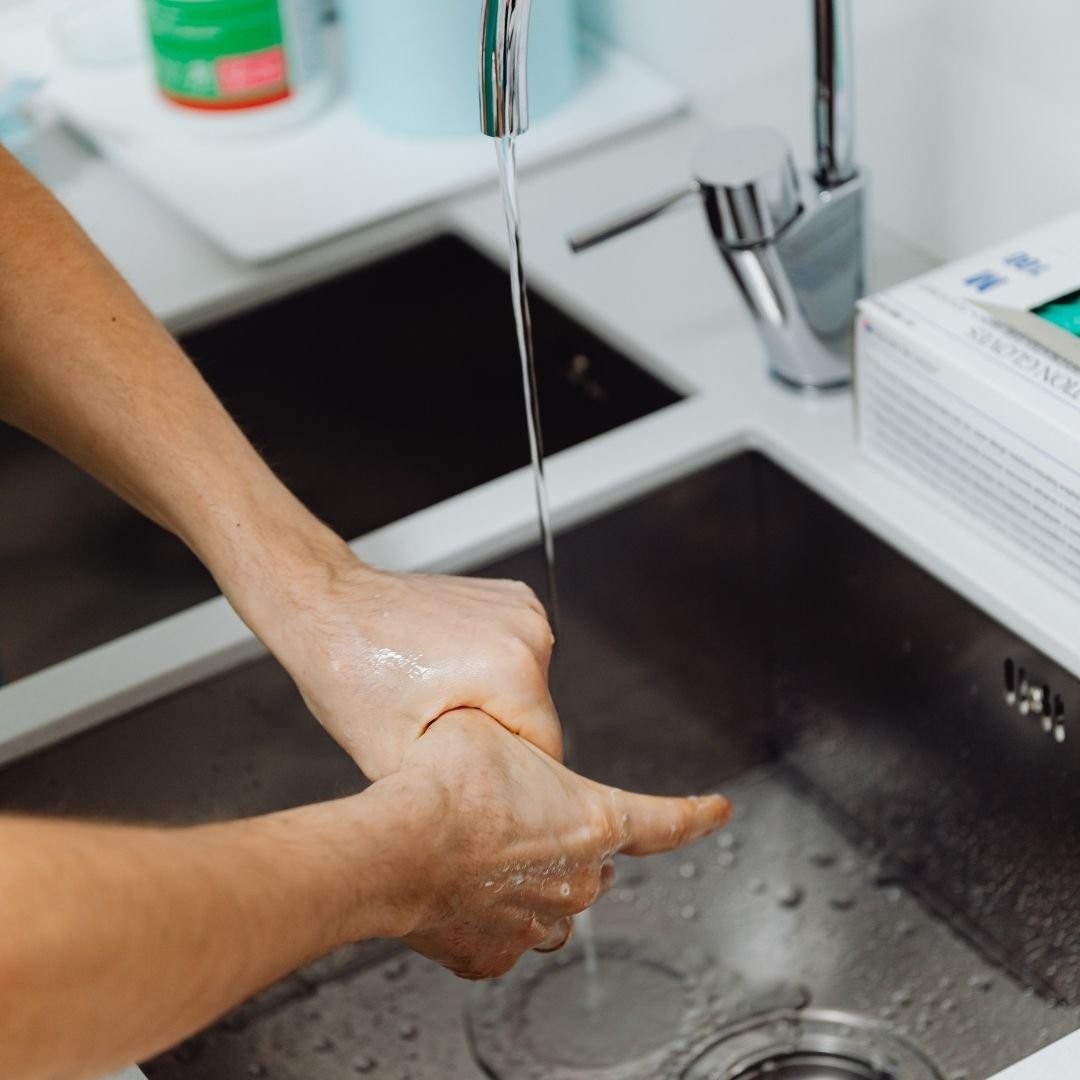
Before you begin, remove all dishes, food scraps, and leftover debris. An empty surface makes it easier to scrub every corner of the sink. Clearing the sink first prevents dirt from spreading while cleaning and ensures a spotless finish.
2. Rinse with Hot Water
Run hot water for a few minutes to loosen grime and soften any grease or soap buildup. The heat helps break down sticky residue, making the scrubbing process smoother and faster.
3. Use Baking Soda for Deep Cleaning
Sprinkle baking soda generously all over the sink surface. This natural cleaner gently removes stains without scratching. It’s especially effective on stainless steel sinks, bringing back their shine and smooth texture.
4. Add Vinegar for a Natural Reaction
Spray white vinegar over the baking soda. The fizzing action breaks down grime and disinfects the surface naturally. This DIY cleaner is powerful, eco-friendly, and safe for daily use in any type of sink.
5. Scrub with a Soft Sponge or Brush
Use a soft sponge or nylon brush to scrub the surface in circular motions. Focus on corners, drain areas, and under the faucet. Avoid harsh scrubbers that can leave scratches on porcelain or steel sinks.
6. Pay Attention to the Drain Area
The sink drain often traps grease and food particles. Scrub around it using an old toothbrush and a mix of vinegar and baking soda. This removes buildup and keeps the area odor-free.
7. Don’t Forget the Faucet and Handles
Faucets and handles are high-touch zones that collect water stains and bacteria. Wipe them using a vinegar-water mix or a mild dish soap solution. Buff them with a dry cloth for a polished look.
8. Clean Around the Edges and Seals
Use a small cleaning brush or cotton swab to reach tight areas around the sink edges and seal lines. These areas often collect grime, mold, and soap scum that can ruin the sink’s shine.
9. Use Lemon for Extra Shine
Rub a lemon half over the sink after scrubbing. The citric acid cuts through stains, removes odors, and gives a natural sparkle. Plus, it leaves a refreshing, clean scent behind.
10. Rinse Everything Thoroughly
After scrubbing, rinse the sink completely with warm water. Make sure no cleaning residue or baking soda paste remains. This final rinse leaves the surface shiny and streak-free.
11. Dry with a Microfiber Cloth
Water spots can dull your sink’s shine. Always wipe the surface dry with a microfiber towel after cleaning. It helps prevent new stains and keeps stainless steel sinks looking polished longer.
12. Disinfect Weekly
To keep bacteria away, disinfect your sink once a week. Mix water with a small amount of bleach or use a ready-made disinfectant spray. Let it sit for a few minutes before rinsing thoroughly.
13. Remove Rust Spots Carefully
For rust stains, create a paste of baking soda and lemon juice. Apply it to the affected areas and let it sit for 15 minutes before scrubbing gently. This combination is safe and effective without using harsh chemicals.
14. Clean Sink Accessories Too
Don’t ignore sink racks, strainers, or soap trays. Soak them in warm, soapy water for 10–15 minutes, scrub lightly, and rinse. Clean accessories prevent hidden grime from returning to your sink.
15. Keep the Drain Fresh
To prevent odor and buildup, pour baking soda followed by vinegar down the drain once a week. Flush with hot water afterward. This natural drain cleaner keeps water flowing freely and smells fresh.
16. Maintain Shine with Olive Oil
After cleaning, apply a few drops of olive oil on a soft cloth and buff the sink gently. It adds a glossy finish and forms a protective layer that resists water stains.
17. Avoid Harsh Chemicals
Skip strong cleaners like bleach powders or ammonia-based sprays for regular scrubbing. These can damage surfaces over time. Stick to natural ingredients like lemon, vinegar, and baking soda for safer results.
18. Tackle Hard Water Stains
If you live in an area with hard water, mix equal parts vinegar and water to remove calcium deposits. Spray it on stains, let it sit for 5 minutes, then wipe with a soft cloth for a sparkling sink.
19. Add a Touch of Aromatherapy
For a spa-like cleaning experience, mix a few drops of essential oils like lavender or eucalyptus with your cleaning solution. It keeps the kitchen smelling amazing and adds a calming vibe.
20. Make It a Routine
Consistency is key. Clean your sink daily or every other day to prevent buildup. A few minutes of maintenance saves you from doing a long, deep scrub later.
Bonus Tip: Keep a Cleaning Kit Nearby
Store a small cleaning caddy under the sink with essentials — baking soda, vinegar, sponge, microfiber cloth, and a brush. Having your tools ready makes cleaning quick and stress-free whenever needed.
Final Thoughts
A spotless sink is more than just a visual upgrade — it’s a sign of a clean, healthy home. With these DIY sink scrubbing techniques, you can easily maintain shine, hygiene, and freshness every day.
Remember to use natural cleaners, dry the surface after washing, and make it a habit. A little care goes a long way in keeping your sink sparkling and germ-free all year round.